Auto Mechanic in Bechtelsville PA: Reliable Auto Repair Services
Professional Car Repairs & Maintenance: Common Car Problems and How Auto Repair Can Fix Them
Within the realm of automotive care, specialized repairs and maintenance are critical for addressing widespread car issues. Drivers often come across symptoms like strange noises, inconsistent vibrations, or warning lights on the dashboard. Understanding these signs is essential to preventing subsequent complications. As problems occur, the question becomes how to effectively tackle them. The following sections will explore methods for identifying these issues and the importance of swift and competent interventions.
How to Recognize Common Car Problems
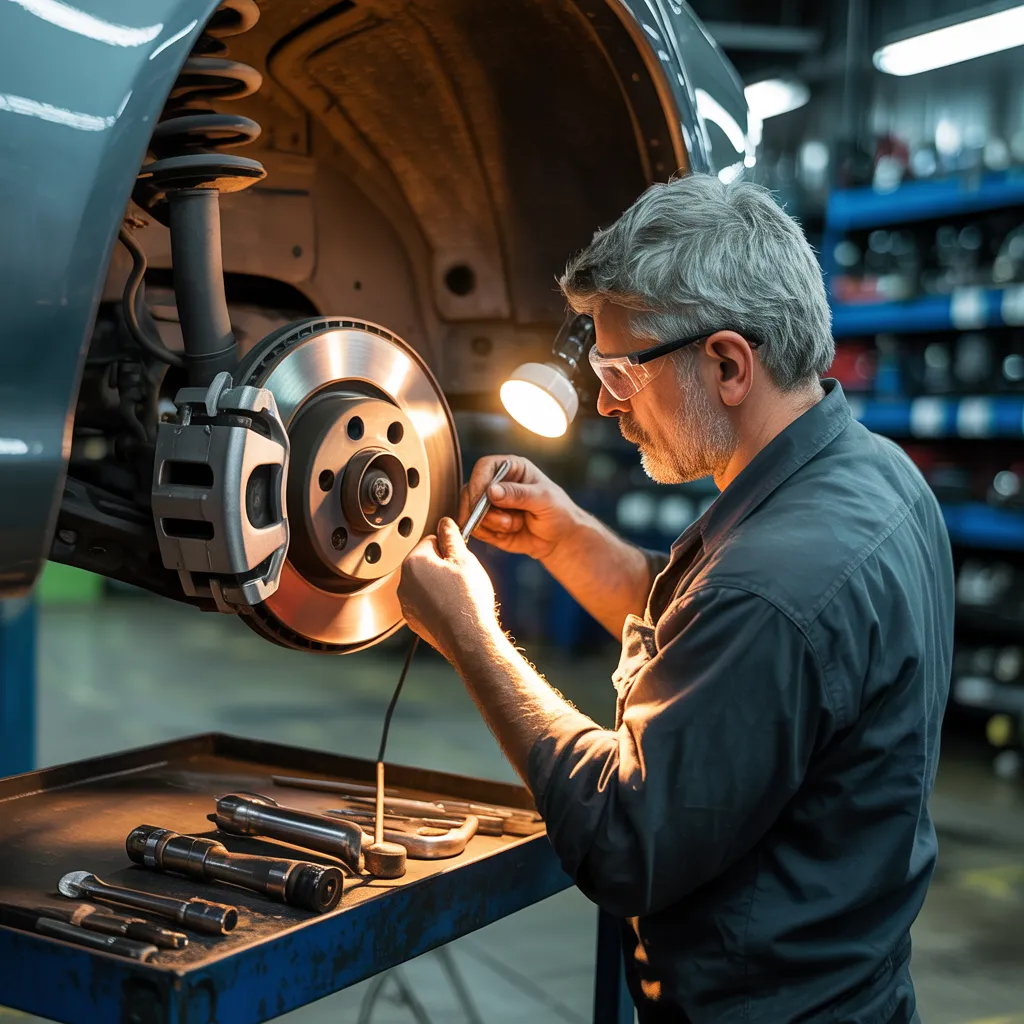
How can one recognize common car problems before they escalate? Examining a vehicle's performance can offer important insights into potential issues. Unusual noises, such as grinding or squeaking, often indicate brake or engine problems. In addition, irregular vibrations during driving may suggest tire or suspension issues. Warning lights on the dashboard function as critical signals; for instance, the check engine light can suggest various mechanical concerns.
Leaks under the vehicle, including oil or coolant, must be handled quickly, since they can cause considerable damage. Moreover, lower fuel efficiency may suggest hidden engine issues. Periodic visual examinations of tires, belts, and hoses help spot wear and damage. Additionally, paying attention to changes in steering responsiveness or braking performance can alert drivers to potential safety hazards. Preventive monitoring can stop small problems from becoming expensive fixes.
Why Timely Car Repairs Are Essential
Prompt auto repairs are essential for preventing major breakdowns that can lead to pricey repairs and lengthy downtime. Moreover, handling issues promptly guarantees the safety of drivers and passengers on the road. By maintaining a vehicle regularly, owners can enhance its longevity and overall performance.
Preventing Serious Breakdowns
Although numerous vehicle owners could underestimate the significance of regular maintenance, ignoring timely auto repairs can result in significant and costly breakdowns. Routine inspections and timely repairs assist in identify minor expert tips issues before they escalate into major problems. A simple oil change or brake check can prevent engine failures or brake malfunctions that might require expensive fixes. Additionally, remaining proactive with maintenance schedules reduces the risk of unexpected roadside emergencies, which can be problematic and dangerous. By handling wear and tear on parts like tires, belts, and hoses, vehicle owners not only safeguard their investments but also extend the lifespan of their automobiles. Ultimately, timely auto repairs are vital in ensuring vehicles remain trustworthy and efficient on the road.
Maintaining Protection On Roads
The safety of road users relies significantly on the condition of vehicles, making timely auto repairs essential. Neglecting minor issues can result in more serious problems, increasing the risk of accidents. Regular maintenance checks can identify wear and tear on vital components such as brakes, tires, and lights, which are crucial for safe driving. A vehicle lacking proper repairs may compromise the driver's ability to control it, especially under adverse conditions. Furthermore, malfunctioning safety systems, like airbags and anti-lock brakes, can result in catastrophic outcomes in emergencies. By prioritizing timely auto repairs, drivers not only guarantee their safety but also the safety of others on the road. In the end, a well-maintained vehicle contributes considerably to road safety.
Improving Auto Durability
Regular auto repairs play a vital role in improving vehicle longevity. Regular maintenance guarantees that minor issues do not escalate into major problems, which can cause costly repairs and reduced vehicle lifespan. For example, addressing fluid leaks quickly can prevent engine damage, while replacing worn brake pads can avert further complications. Routine inspections allow for the early detection of wear and tear, assuring that components function at their best. Moreover, adhering to manufacturer-recommended service intervals helps maintain efficiency and efficiency. By investing in regular auto repairs, vehicle owners not only boost the reliability of their cars but also increase safety and resale value. Finally, a proactive approach to vehicle maintenance fosters a longer, healthier lifespan for any automobile.
How Mechanics Figure Out What's Wrong With Your Car?
When an automobile shows strange indicators, mechanics employ a systematic approach to diagnose the issue effectively. They commence by conducting a thorough interview with the vehicle owner to gather particulars about the symptoms, including when they occur and any recent changes in vehicle performance. Next, they perform a visual inspection, inspecting for obvious signs of wear, leaks, or damage.
Mechanics use diagnostic tools to read error codes from the vehicle's onboard computer, which assists in locating potential issues. They may also conduct a series of tests on critical components, such as the battery, alternator, and fuel system, to assess their functionality. In addition, mechanics often rely on their training and experience to interpret the results, linking symptoms with known problems. By integrating these methods, they can effectively pinpoint the source of the issue and recommend suitable repairs, making certain the vehicle operates safely and efficiently.
Critical Maintenance Recommendations to Avoid Frequent Car Problems
Taking care of a vehicle is crucial to preventing common issues that can emerge over time. Regular oil changes are essential for engine health, providing smooth operation and longevity. Checking tire pressure and tread depth regularly can avoid blowouts and increase fuel efficiency. Also, keeping proper fluid levels, including coolant and brake fluid, is crucial for maximum performance and safety.
Routine inspections of the battery, brakes, and wiper blades can reveal potential problems before they grow worse. Maintaining the vehicle clean, both internally and externally, helps shield from rust and corrosion. Following the manufacturer's maintenance schedule is vital, as it offers guidelines specific to the specific vehicle make and model.
In conclusion, listening for unusual sounds and reacting to dashboard warning lights can stop minor issues from turning into major repairs. Through diligent maintenance, vehicle owners can substantially reduce the risk of unexpected breakdowns and expensive repairs.
The Function of Technology in Current Auto Repair
Modern technology has dramatically reshaped the landscape of auto repair, specifically through improvements in diagnostic tools. These modern instruments allow technicians to pinpoint issues with enhanced accuracy and efficiency, reducing repair time and costs. Moreover, software integration within repair processes boosts communication and management, simplifying operations for both service centers and customers.
Progress in Diagnostic Tools
As automobiles grow more advanced, progress in diagnostic instruments has changed the landscape of auto repair. Modern diagnostic equipment, featuring OBD-II scanners and multimeters, empowers technicians to rapidly pinpoint issues by interfacing directly with a vehicle's onboard computer systems. These tools have enhanced accuracy in detecting problems, reducing the time spent on repairs and decreasing costs for consumers. Additionally, improvements such as wireless connectivity permit real-time data transmission, enabling mechanics to access vehicle information remotely. This technology enables more informed decision-making and boosts the overall efficiency of the repair process. Furthermore, the integration of artificial intelligence is beginning to aid in predictive maintenance, allowing forecasting of potential failures before they occur, eventually improving vehicle reliability and longevity.
Software Integration Benefits
While the automotive industry keeps evolving, the integration of software into repair processes has become a game-changer for both technicians and consumers. Modern software solutions streamline diagnostics, enabling mechanics to swiftly identify issues with vehicles. This efficiency decreases repair times, boosting customer satisfaction. Additionally, software integration enables better inventory management, ensuring that necessary parts are readily available, which reduces delays. Consumers benefit from improved transparency through real-time updates on repair status and cost estimates. Moreover, data analytics enables repair shops to track performance trends, resulting in continuous improvement in service quality. All in all, the adoption of software technology in auto repair strengthens operational efficiency, fosters trust, and ultimately provides a more satisfying customer experience.
How to Select the Best Mechanic for Your Vehicle Repairs?
How can one assure they select the most qualified mechanic for their vehicle repairs? To begin, it is important to obtain recommendations from trusted contacts, relatives, or digital feedback to acquire insights into neighborhood mechanics' standing. Subsequently, confirming certifications, such as ASE (Automotive Service Excellence certification), assures the mechanic maintains the necessary skills and knowledge.
Moreover, checking out the shop to check cleanliness and organization can reveal insights about the mechanic's professionalism. Requesting information about warranties on repairs can also reflect trust in their work.
Furthermore, getting multiple estimates helps in understanding appropriate pricing and service options. It is important to communicate openly with the mechanic about specific issues and evaluate their willingness to explain repairs in simple language. Ultimately, trust your instincts; a good mechanic should foster a sense of confidence and transparency, making the choice easier when selecting the right professional for vehicle repairs.
Common Questions
What Are the Recommended Service Intervals for My Car?
Cars should generally be serviced every five thousand to seven thousand five hundred miles or at least once yearly. Consistent upkeep guarantees maximum performance, enhances safety, and prolongs the vehicle's lifespan, keeping it running optimally.
How Can You Identify a Trustworthy Mechanic?
A reliable mechanic demonstrates transparency in pricing, communicates clearly about repairs, has positive customer reviews, offers warranties on work, and maintains certifications. Trust and professional conduct are essential signs of their dependability and skill in automotive care.
Can I Perform My Own Car Repairs?
People can carry out their own auto repairs if they have the essential skills, tools, and expertise. That said, they must exercise care, since faulty repairs might cause further issues or safety concerns.
How Do I Know if Repairs Are Worth It?
Figuring out if repairs are worth it entails examining your car's worth, repair costs, and anticipated longevity. Weighing these elements assists car owners determine whether to proceed with repairs or explore alternatives like selling or trading the vehicle.
What Steps Should I Take if My Vehicle Breaks Down?
In the event of a breakdown, you should safely pull over, engage emergency flashers, check the issue, reach out to roadside assistance, and, if needed, arrange for a tow to a reputable repair shop for inspection.